Toddler Scared of Santa at Night? 11 Bedtime Tips
If your toddler is scared of Santa coming into the house at night, believe the fear and change the story, not the child. Find out which part scares them: a stranger inside, being watched, or the noise in the dark. Then move Santa’s stop away from the bedroom, drop the “he sees you when you’re sleeping” lines, and keep Santa talk out of the last hour before bed. A pediatrician at Memorial Health puts it simply: “Fears of Santa are normal in the roughly 1-6 year age bracket.” It is a phase, and a fixable one.
The 11 tips below run in order: first what to ask, then how to retell the story, then bedtime itself and the 2am wake-up.
First, find out which part is scary
“Scared of Santa” covers a few different worries, and they need different fixes. Most toddlers who can say it land in one of these:
- A stranger in the house. A big man nobody knows, coming in while everyone sleeps.
- Being watched. The song says he sees you when you’re sleeping. If there’s an elf on a shelf, it’s watching too.
- The noise and the dark. Hooves on the roof, someone in the chimney, footsteps downstairs.
- The lap visit, carried home. A crying photo at the mall last week turned into a worry at night.
Dr. Teena John, a pediatrician with Memorial Care, lists the daytime triggers: “his beard, an unfamiliar outfit, booming voice, size.” At night, all of that is still there, and now you can’t see him.
Retell the story (tips 1–4)
-
Ask, then take the answer seriously. “What part of Santa feels scary?” Then listen to all of it. Naître et grandir, the Quebec parenting site, says to avoid teasing because “their fear is real, even if to you it seems silly or unreasonable,” and to help your child name what they’re afraid of.
-
Move Santa’s stop away from the bedroom. The stocking hangs by the tree, or by the front door, or on the porch. Say it plainly: “Santa only goes to the tree. He never comes upstairs.” You’re not breaking the tradition, you’re choosing your family’s version of it.
-
Pick the version where Santa never comes in at all. If even the living room is too close, change the delivery. Santa leaves the presents on the porch. Santa hands them to Mom and Dad. Santa drops them at Grandma’s. The story has no official rulebook, so yours can be the one with the porch drop-off. Pick one version and keep it the same every time they ask.
-
Retire the watching lines. “He sees you when you’re sleeping” and “the elf reports back tonight” are fun for some kids and frightening for others. If yours is the second kind, skip that verse, and stop using Santa as a bedtime threat (“Santa won’t come if you get out of bed”). A threat about a stranger, delivered at lights-out, feeds the exact fear you’re trying to fix.
Make Santa ordinary in daylight (tips 5–6)
-
Do the Santa talking before dinner. Dr. John suggests books or movies “that project him in a positive light” and making a wish list to take to the mailbox: “The more you talk about Santa, the more he will become a comfortable character.” Do all of that in the daytime. After the last bath, Santa doesn’t come up at all. That includes the Christmas Eve book where he slides down the chimney in the dark.
-
Don’t push the lap visit. “Bottom line: don’t push it,” Dr. John says. She also points out that “all children need to maintain an element of ‘stranger danger’ in order to ensure their safety.” So a toddler who won’t go near a bearded stranger is doing something sensible. Wave from across the mall, or skip it this year. There’s always next December.
At bedtime (tips 7–9)
-
Keep the routine boring and the same. A calm, predictable bedtime does more than any pep talk. Run the same bedtime routine checklist every night through December, even on nights with parties or late lights tours. When everything else about the season changes, a routine that stays the same is reassuring.
-
Do one check, then stop. If the worry is the front door or the chimney, check it together once. Naître et grandir’s advice for nighttime fears: “You can check once under the bed with them, but no more than that. If you do it every time, you’re sending the message that there’s a reason to be afraid.” If your toddler keeps asking about locks, read my tips for the toddler who checks the door is locked. It’s the same worry without the red suit.
-
Give them a light they control. HealthyChildren, the AAP’s parent site, says to “allow them to keep a light on if it makes them feel better.” A squishy tap light they can switch on themselves, like the LumiPets puppy night light, turns “something is happening in the dark” into “I have a switch.” Set it to a warm color, not a cycling rainbow. If the fear is really about the dark more than about Santa, my afraid-of-the-dark tips go further.
 December worries keeping everyone up?
Betteroo builds a bedtime plan for your toddler's age, so a wobbly month doesn't turn into a wobbly winter.
Take the 2-minute sleep quiz →
The 2am wake-up and the weeks after (tips 10–11)
-
If they wake scared, go quickly and keep it short. Naître et grandir says to “go comfort them right away and listen to them without interrupting,” then help them tell what’s real from what’s pretend. Say the story again in your same words: “Santa only goes to the tree. The doors are locked. I’m right here.” Stay until they settle, but don’t turn lying down with them into the new every-night plan. The same source warns that doing it every time “may reinforce their fear.” After a bad dream, HealthyChildren says to remind them “that dreams are not real.”
-
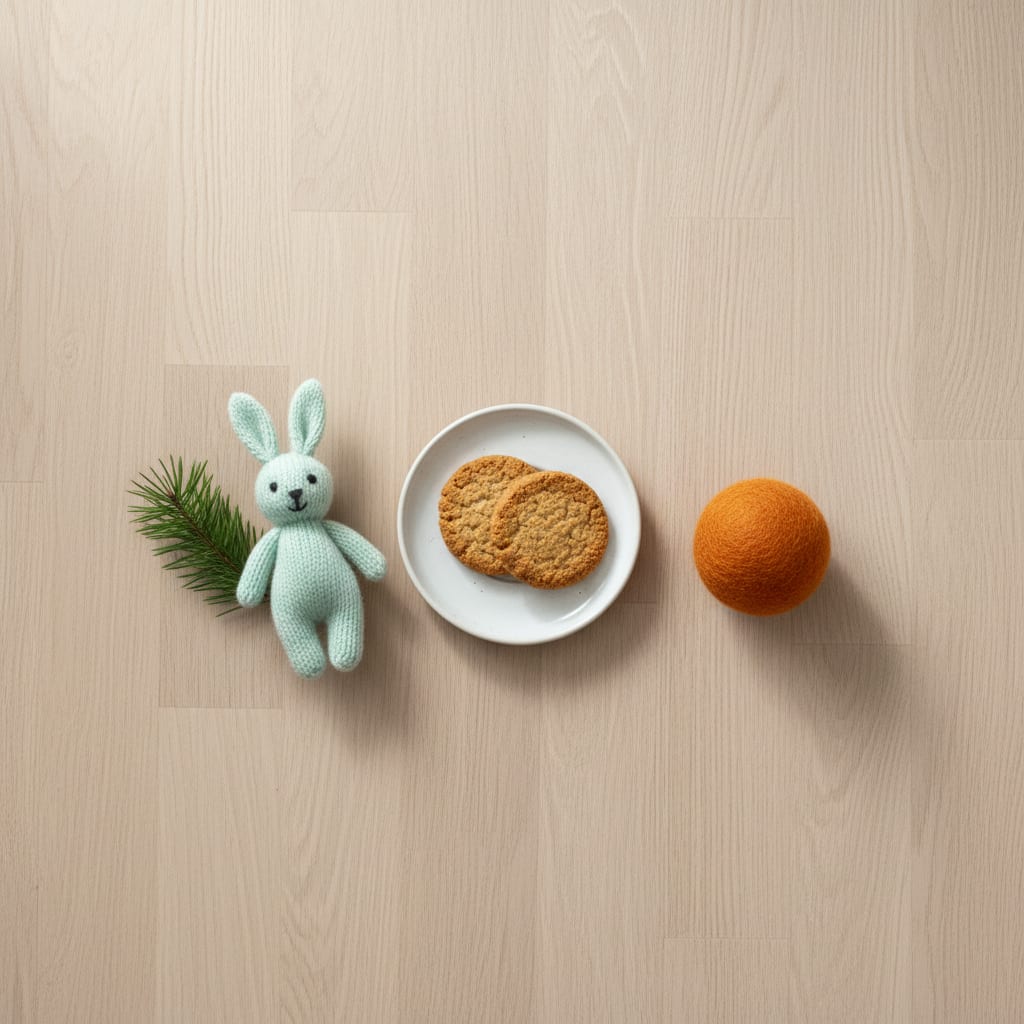
Let them help shape the story. Let them choose where Santa’s stop is and what snack he finds there. Maybe the cookies go on the porch so he doesn’t need to come in. If your child is old enough to ask “is Santa real?” at bedtime, Betteroo’s guide on answering that question with a question suggests “What do you think?” to find out whether they want the magic or the truth. For a toddler who’s still learning words for feelings, a few picture books that put a name on worry, read during the day, help them tell you what’s wrong.
When it’s more than a December wobble
Talk with your pediatrician if the fear is spreading into the daytime, if your child won’t be alone in any room, if they’re waking scared most nights, or if things keep getting worse over several weeks instead of easing. HealthyChildren’s general advice holds: if you have “any questions or concerns about your child’s sleep habits,” ask.
FAQ: the toddler who is scared of Santa at night
Is it normal for a toddler to be scared of Santa?
Yes. Dr. Teena John, a pediatrician with Memorial Care, says fears of Santa are normal from about age 1 to 6, so it doesn’t mean something is wrong with your child’s development. Most kids grow out of it.
Should we stop doing Santa if our toddler is scared?
You don’t have to stop, and you don’t have to keep going. You can change the story (Santa stops at the tree, or leaves gifts on the porch) or pause it for a year. What matters is that the story you choose doesn’t put a stranger in your child’s room.
Should I just tell my toddler Santa isn’t real?
That’s your family’s call. Betteroo’s guide suggests asking “What do you think?” when a child asks, which tells you whether they want to keep believing. A scared toddler usually needs the story changed more than the truth told.