Potty Training in 3 Days: A Realistic Tip-by-Tip Plan
Potty training in 3 days is real-ish: with a genuinely ready toddler, three focused days at home is enough to get the basic idea installed — pee goes in the potty, and my body tells me when. What three days does not buy you is a finished kid. Expect real progress by day three, then weeks of improving accuracy, with poop, naps and nights on their own slower schedule. Anyone promising a spotless kid by Sunday dinner is selling something. Here’s the realistic tip-by-tip version that survived both of my kids — one who took to it in a weekend, one who filed a formal protest.
Before you start: the two prerequisites
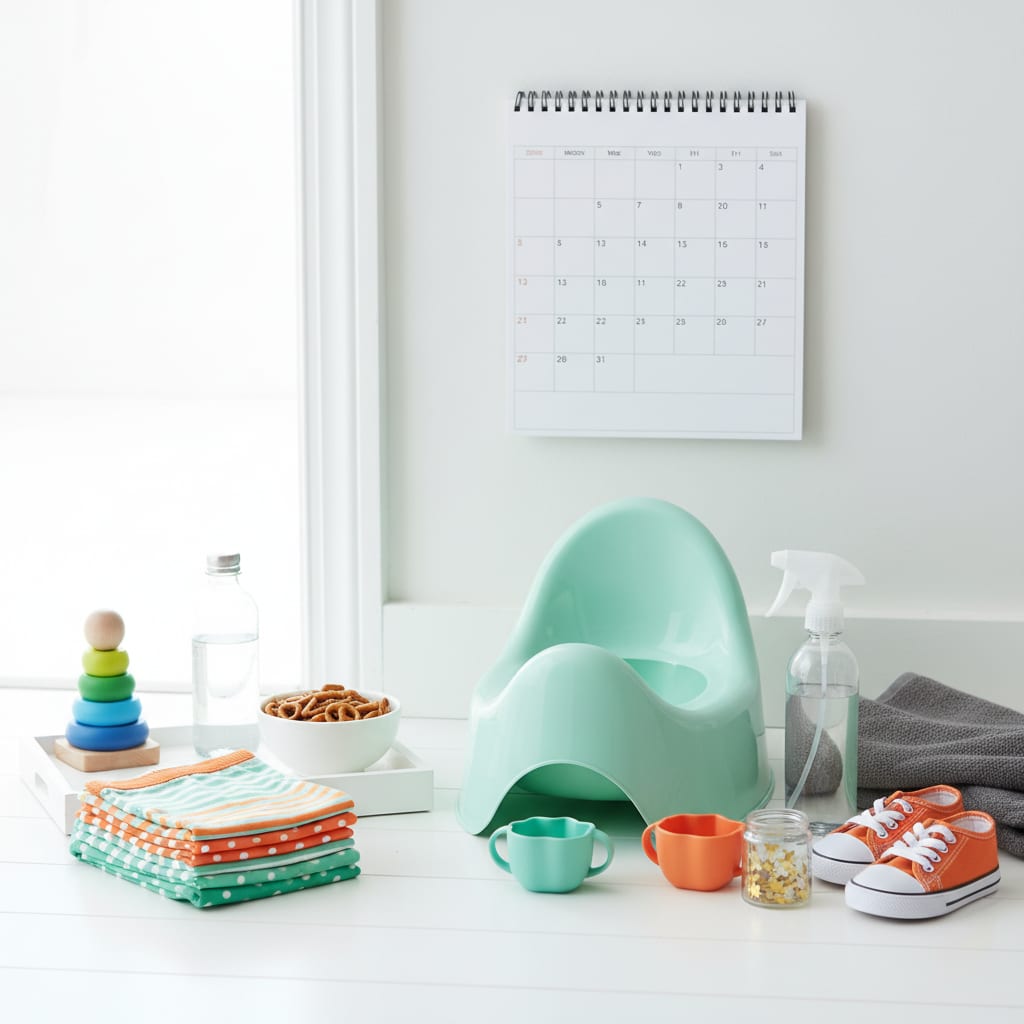
First, readiness. Three-day plans work on ready kids and faceplant on unready ones — check the readiness checklist and wait for two or three strong signs. Second, a clear calendar. You need three genuinely home-based days: no errands, no visitors, no half-day at grandma’s. A long weekend is the classic move. If you can’t clear three days, wait until you can — a fragmented attempt mostly trains frustration.
Prep tips (2-3 days before)
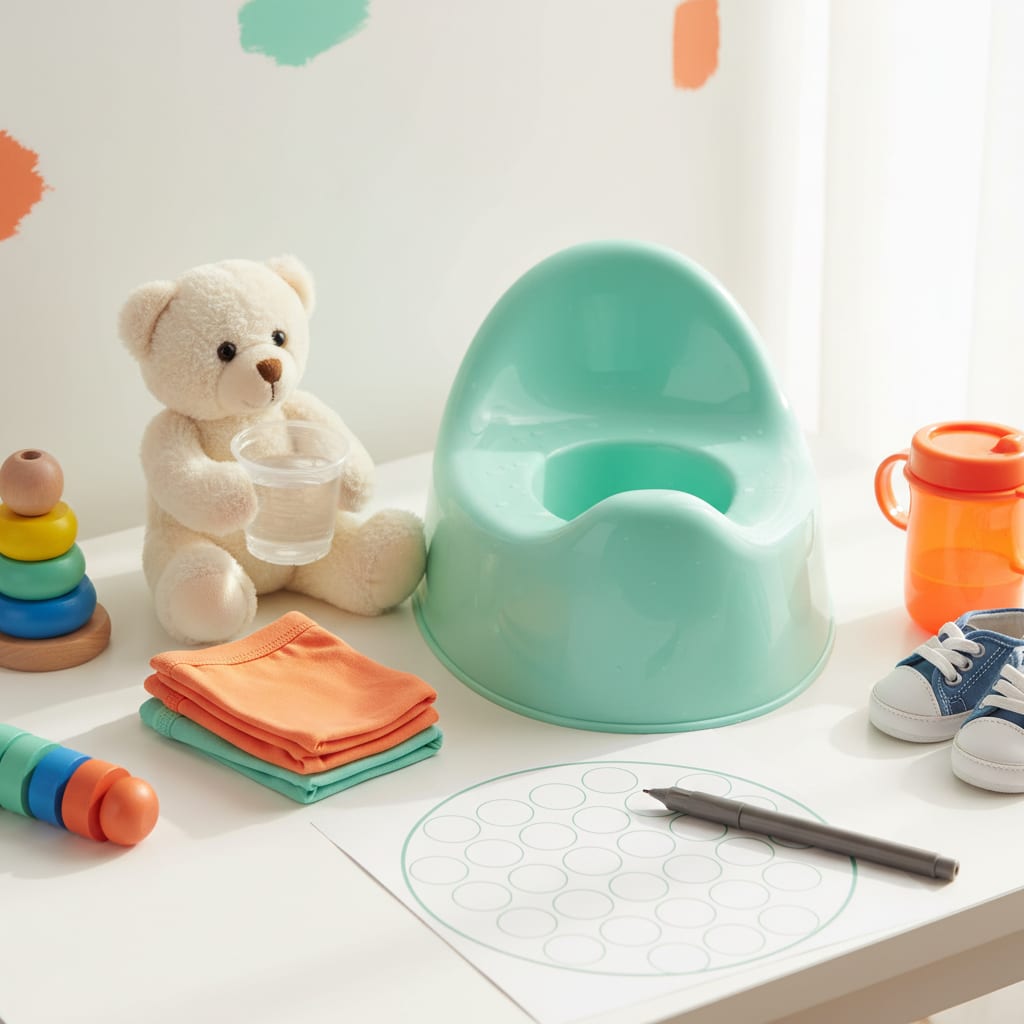
- Park the potty in plain sight early. Living room, no ceremony — a plain floor potty like the BabyBjörn Smart Potty is plenty. Let them sit on it dressed, seat a teddy on it, ignore it. Familiar beats novel.
- Stock the supplies. 8-10 pairs of underwear (let them pick), elastic-waist pants or just bare bottom, a towel for the couch, cleaning spray, and easy meals you’ve already made. You will not want to cook.
- Announce the plan once, cheerfully. “This weekend, diapers are done in the daytime — you’re going to use the potty like [big cousin].” One sentence, big confidence, no negotiation seminar.
- Script your accident line in advance. Mine: “Pee goes in the potty. Let’s get dry clothes.” Flat, friendly, identical every time. Decide it now so day-one you doesn’t improvise something guilt-flavored.
Day 1: the flood-watch day
- Go bottomless from breakfast. No diaper, no underwear yet — bare bottom makes the feedback instant and unmissable. Keep the potty within sprinting distance of wherever you’re playing.
- Push fluids and salty snacks. More liquid means more practice reps. Water bottle always in reach, snacks generous.
- Prompt with choices, not questions. “Do you need to potty?” earns an automatic NO — you’ve met a toddler. Use “potty now, or after this puzzle?” The trip happens; the toddler keeps the steering wheel.
- Expect misses, celebrate near-misses. Day one is mostly puddles with occasional glory. A drop in the potty gets a specific high-five: “You felt it coming — that’s the whole trick!” Accidents get the script and zero scolding. Accidents ARE the curriculum today.
Day 2: the repetition day
- Same as day 1, plus underwear if yesterday ended strong. Underwear feels different from a diaper but less naked than naked — it’s the middle step. If day 2 goes soggy, drop back to bare bottom without commentary.
- Let them own more of the chain. Pants down, sitting, flushing, hand-washing. The independence is the reward for a lot of kids — steer into it.
- Watch for the hold-and-dash. By late day 2, many kids start pausing play and heading potty-ward on their own. Don’t announce it like a moon landing mid-stream; save the celebration for after, or you’ll startle the progress right out of them.
Day 3: the dress rehearsal
- Fully dressed, normal-ish day at home. Real pants over the underwear — clothing is where remembering gets harder, so today is that practice.
- One short field trip, if things are going well. Fifteen minutes, potty right before leaving, and go somewhere with a known bathroom. Think of it as the away-game preview — the full version is my out-of-the-house survival tips.
- Keep naps and nights in pull-ups, guilt-free. Day training is a skill; night dryness is largely biology on its own timeline. Framing pull-ups as “sleep underwear” keeps the daytime message clean.
What “working” looks like (and when to bail)
By the end of day three, “working” means: some self-initiated trips, more hits than day one, and a kid who understands the assignment — NOT zero accidents. Accuracy keeps improving for weeks, poop commonly lags pee, and regressions after disruptions are normal (fixes for that in the regression reset list). If after three honest days there’s zero progress — no awareness, constant distress, flat refusal — pause guilt-free for a few weeks and re-run it later; that’s a readiness verdict, not a failure. And if you see pain, constipation or withholding, skip the blog advice and call your pediatrician.
FAQ: potty training in 3 days
Does 3-day potty training actually work?
For a ready kid with a clear calendar, three days is usually enough to install the core idea, with accuracy improving over the following weeks. It’s a strong start-line method — it’s just not the finish line the name implies, and no method has a guaranteed success rate.
What if my toddler has tons of accidents on day one?
That’s the expected shape of day one — bare-bottom misses are how the feedback loop gets built. Run your flat, friendly script, involve them in cleanup, and count near-misses as wins. Judge the trend across all three days, not the puddle count before lunch.
Do I use pull-ups during the 3 days?
Daytime, no — they feel like diapers and get used like diapers, which mutes the feedback the whole method runs on. Keep them for naps, nights and (later) long car rides, and call them sleep underwear so the daytime rule stays crisp.
What if day 3 ends and it clearly isn’t working?
Stop cheerfully, go back to diapers without ceremony, and try again in a month or so — later-but-ready trains faster than early-but-pushed, every time. If attempts keep stalling past age three or anything seems painful, loop in your pediatrician.