Potty Training Tips: 10 Quick Wins That Lower the Drama
The biggest potty-training quick win is starting when your toddler is actually ready — not when the calendar, the preschool deadline or the neighbor’s kid says so. Readiness typically shows up anywhere from around 18 months to past age three, and later-but-ready trains faster than early-but-pushed. Once you see the signs, the recipe below is short: clear the schedule for a few days, keep the pressure near zero, script the accidents, and celebrate small. These 10 tips are the version that survived contact with both of my kids — including the one who protested on principle.
First, the readiness check
Every kid’s timeline is different, and that’s genuinely fine — this is a development thing, not a parenting scoreboard. Green lights worth waiting for: staying dry for longer stretches, noticing (or announcing) a full diaper, hiding to poop, interest in the toilet or in underwear, and being able to follow simple two-step instructions. If those aren’t there yet, waiting a month is a strategy, not a failure. And if you have any concerns — pain, constipation, withholding, no interest long past three — your pediatrician is the right referee, not a blog.
The 10 quick wins
- Wait for two or three readiness signs, then move fast. Readiness is the multiplier on every other tip. A ready kid can get the idea in days; an unready kid can turn the same plan into a two-month standoff.
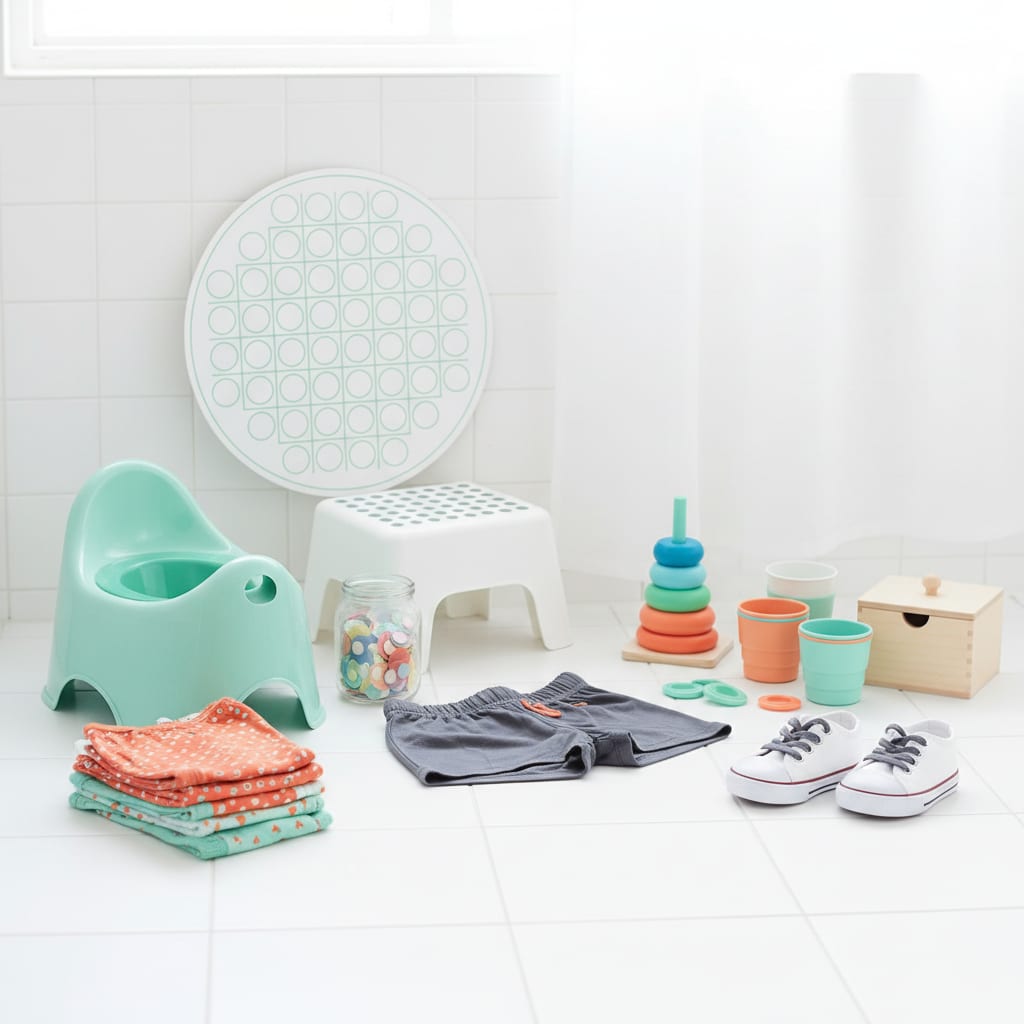
- Park the potty in plain sight a week early. Living room, no ceremony, no assignment — a plain floor potty like the BabyBjörn Smart Potty is plenty. Let them sit on it dressed, put a teddy on it, ignore it. Familiar furniture is not scary furniture.
- Block out three low-stakes days at home. Not a magic “trained in 3 days” promise — just a realistic runway: bottomless or in underwear, potty close by, snacks and fluids generous, outings minimal. Expect real progress by day three, not perfection.
- Ditch the pull-ups during the day (mostly). They feel like diapers, so they get used like diapers. Underwear lets your kid feel wet, which is the whole feedback loop. Keep pull-ups for naps, nights and long car rides — that’s survival, not cheating.
- Prompt with choices, not questions. “Do you need to go potty?” gets “NO” every time — you’ve met a toddler. Use “potty now or after this puzzle?” The trip happens; the toddler keeps the steering wheel.
- Script the accidents in advance. Mine: “Pee goes in the potty. Let’s get dry clothes.” Same flat, friendly sentence every time, kid helps with cleanup, zero scolding. Accidents ARE the curriculum — shame just teaches hiding.
- Celebrate small and specific. A high-five and “you felt it coming — that’s the whole trick!” beats a parade. Sticker charts work great for some kids; if yours starts performing for the sticker instead of noticing their body, quietly retire the chart.
- Dress for victory. Elastic waists only. No overalls, no buttons, no cute-but-hostile rompers. A toddler who can’t get their own pants down in four seconds didn’t fail potty training — the outfit did.
- Expect poop to lag behind pee. It’s extremely common for a pee-trained kid to request a diaper to poop. Grant it calmly and shrink the gap gradually (diaper in the bathroom, then sitting on the potty with the diaper on). Constipation or real fear of pooping = pediatrician, promptly — withholding snowballs.
- Treat regressions as messages, not defiance. New sibling, new room, starting daycare, or even a rough sleep patch — accidents after success usually track to a disruption. Fix the disruption, re-run tips 5-7 for a week, and it typically rights itself. (Rough nights sabotage daytime control too — my bedtime battle tips are the companion list.)
Night training is a different sport
Daytime training is a skill; night dryness is largely biology on its own schedule, and it can lawfully arrive years later (the full story is in our night potty training guide, and Betteroo’s explainer on the biology covers why). Keep night pull-ups without guilt, do the pre-bed potty stop as part of the needs audit before lights-out, and don’t let anyone tell you a day-trained kid in night pull-ups is “behind.” The same no-pressure muscle you’re building here also carries the dinner table, by the way — see the picky eater tricks — because toddlers guard autonomy over their bodies everywhere, not just the bathroom.
FAQ: potty training quick wins
What age should I start potty training?
Whenever your kid shows readiness signs — commonly somewhere between 18 months and age three-and-a-bit, with plenty of healthy kids outside that window. Start on signs, not birthdays; a later, readiness-based start usually finishes faster.
How long does potty training take?
With a genuinely ready kid and a few clear days at home, many toddlers get the basic idea within about three days to a couple of weeks — then keep improving for months. Full reliability (especially poop, naps and nights) arrives on its own slower schedule. If there’s zero progress after two weeks, pause guilt-free for a few weeks and retry.
Should I punish potty accidents?
No — flat no, and it’s not close. Accidents are information, not misbehavior. Scolding reliably backfires into hiding, holding and constipation. Run the boring script in tip 6 and let the feedback loop work.
My toddler was trained and is having accidents again. What now?
Look for the disruption first (new sibling, new school, poor sleep, constipation), fix that, and go back to low-key prompting for a week. If regressions persist with no obvious trigger, or peeing seems painful or constant, check in with your pediatrician to rule out constipation or a urinary infection.