Toddler Bedtime Stalling: 11 Counter-Moves That Hold
Toddler bedtime stalling has a fix, and it starts with an uncomfortable question: is the bedtime actually right? A kid put down before they’re tired will stall forever, because the stalling is working and they’re genuinely not sleepy — no trick beats that combination. So step one is getting the timing right (I use a personalized plan for that), and step two is knowing your opponent: every stall — one more water, one more book, one more potty, sudden deep questions — has a specific counter-move. Here’s the full playbook, numbered, tested on my own two — one of whom once stalled bedtime by asking where the sun sleeps.
First: rule out the fake battle
Some “stalling” isn’t stalling — it’s a bedtime that doesn’t match the kid. If the nap ran late or bedtime is set earlier than their body can deliver, you’re asking a not-tired toddler to lie still in the dark, and they will lawyer their way out of it every night, forever. That’s why counter-move #1 is timing, not tactics. The other ten only hold once the bedtime is honest.
The stalling playbook: 11 counter-moves
- Fix the bedtime so the stall has no fuel. This is the one I outsource: Betteroo is a personalized baby-and-toddler sleep app — you answer questions about your kid and your style, it builds today’s nap windows and tonight’s bedtime, and it keeps adjusting as they grow through nap drops and regressions. It runs around $20 a month and it’s a tool, not magic — what it removes is the guessing, so when the stalling starts you know it’s sport, not undertiredness, and you can hold the line with a clear conscience.
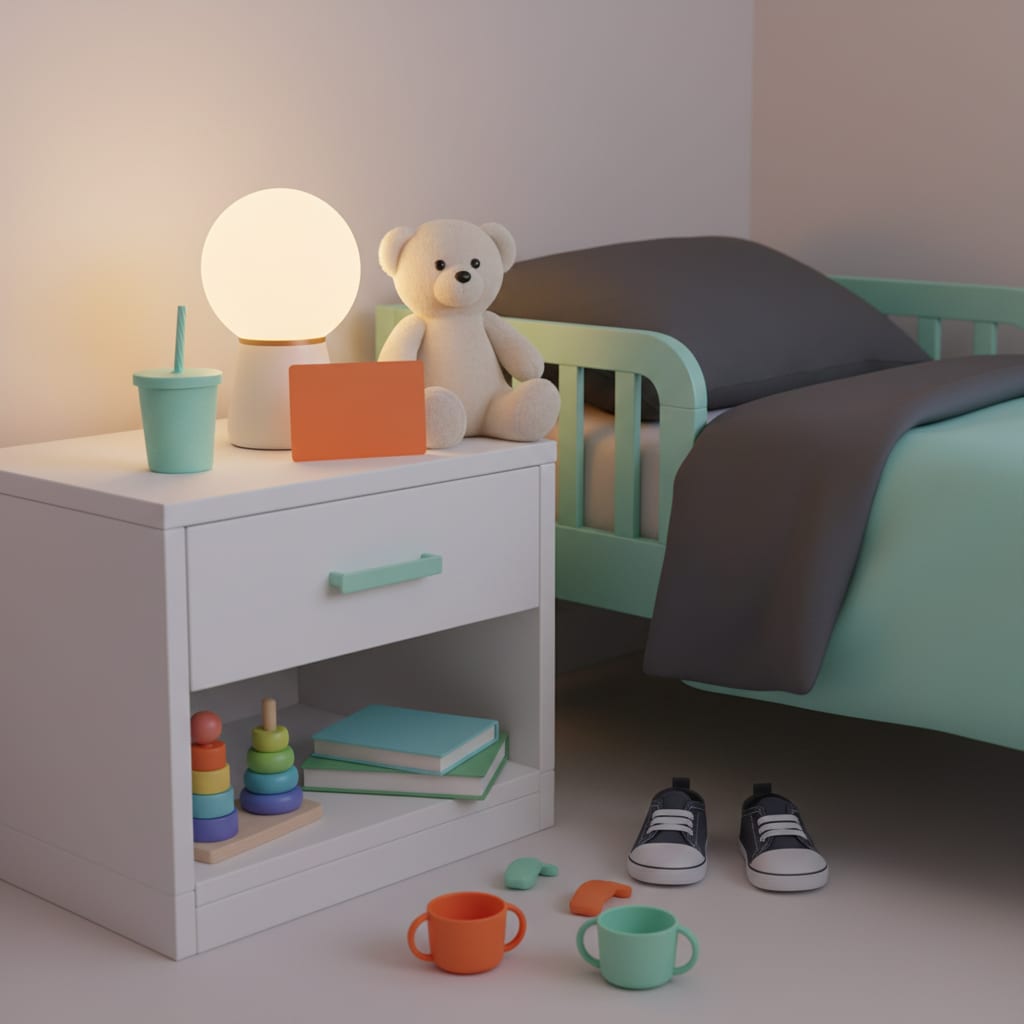
- “One more water” → pre-stage the water. A small cup or straw bottle goes on the nightstand during the routine, every night, announced: “Water’s already here.” The stall dies because the request is pre-granted. Thirst claims after that get one bored sentence: “Your water’s right there.”
- “One more book” → count books out loud, kid picks. “Two books tonight — you choose them.” The limit is set before the first page, the choosing scratches the control itch, and when book two ends you say “that was two, as promised.” Promises made in advance are weirdly binding to toddlers; limits invented at 8pm are negotiable outrages.
- “One more hug” → invent the Last Hug with capital letters. Make the final hug a named, slightly ceremonial event — the Big Squeeze, the Goodnight Special. When they ask for another, the answer writes itself: “We already did the Big Squeeze!” You can’t top a named hug, and they know it.
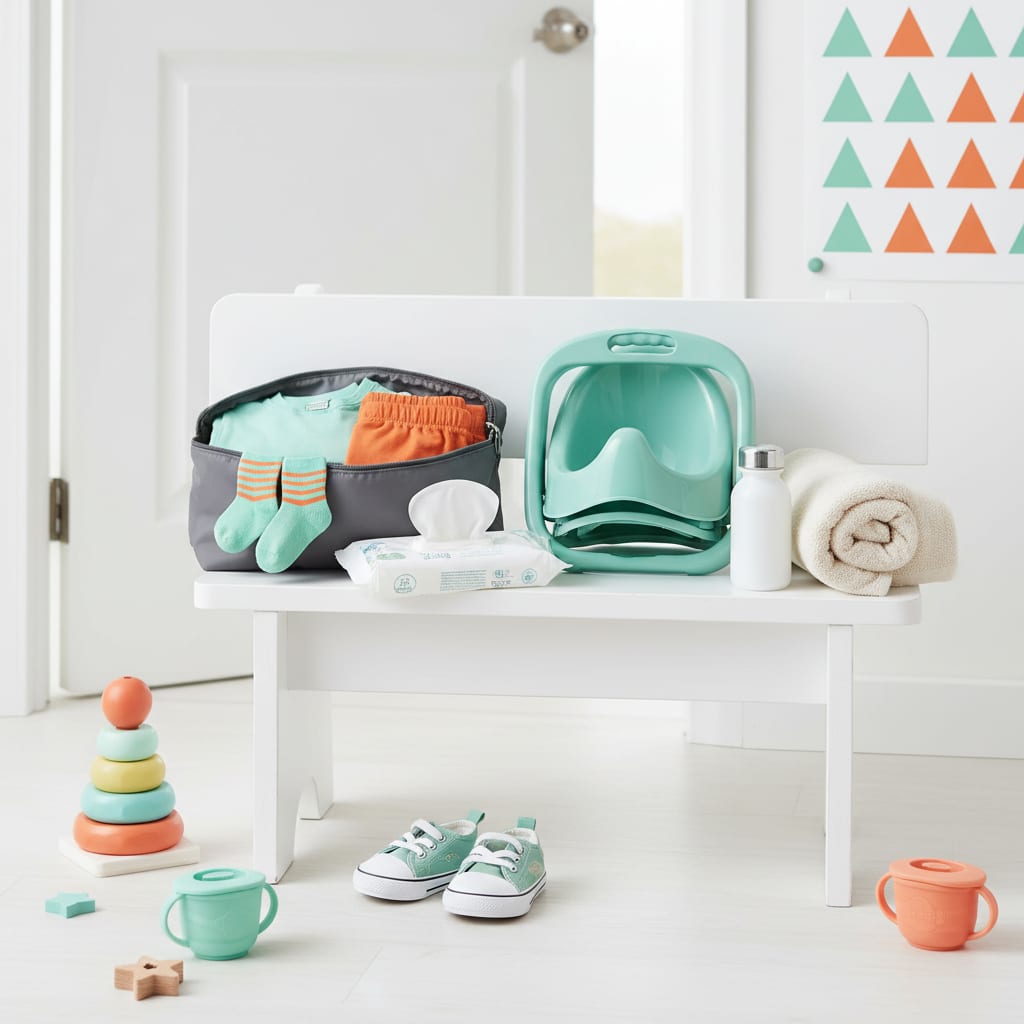
- “I need to potty” → run the needs audit before lights-out. Potty trip, water, lovey located, nightlight on — every loophole closed before the door. This is the same audit from my bedtime battle tips, and it turns the potty stall from a guaranteed door-opener into a checkable fact. (Mid-potty-training kids get one real trip, boring as a toll booth, then back to bed.)
- “I’m hungry” → boring snack, before the routine. A small protein-ish snack before bath means the hunger claim has already been answered. After lights-out, hunger gets sympathy and a promise: “Breakfast is coming in the morning.” Feeding the 8:40pm hunger even once funds a month of sequels.
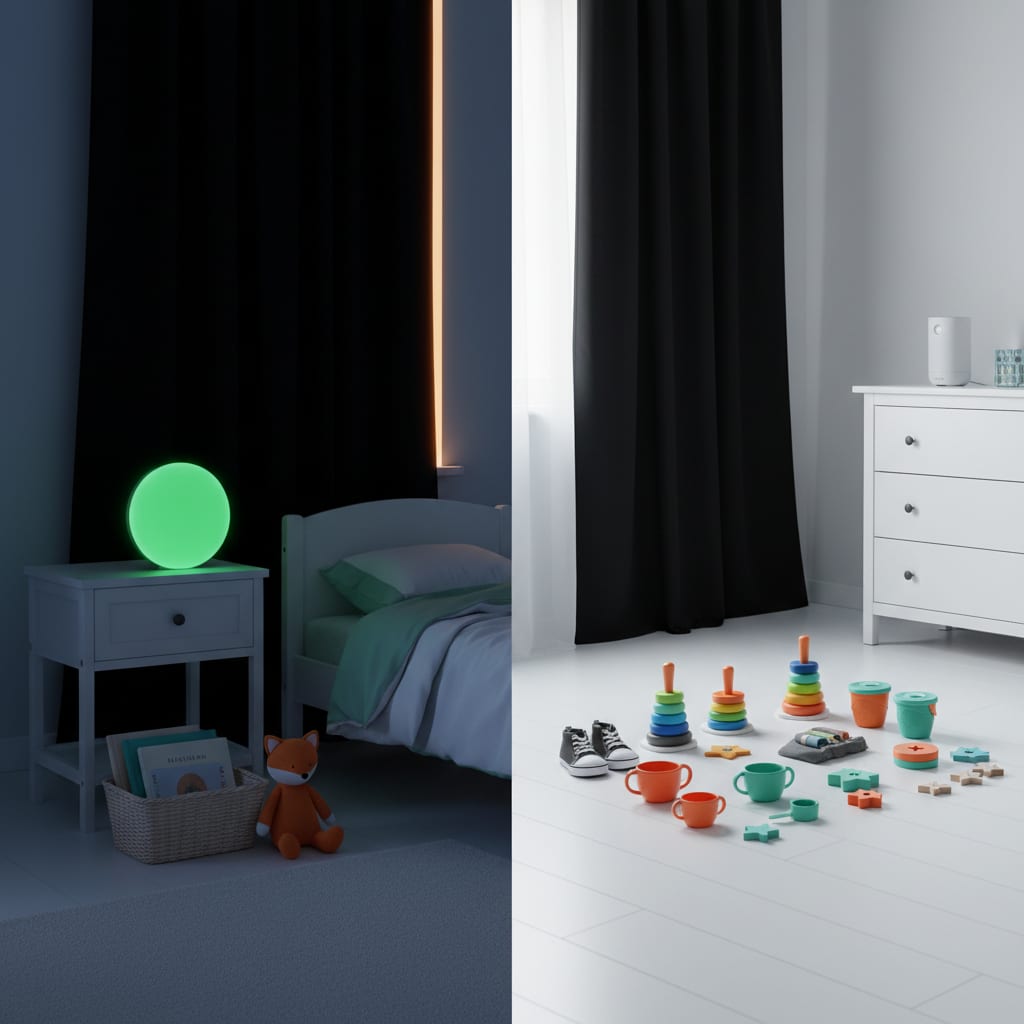
- “I’m scared” → do one sweep, install one defense, don’t debate. One calm monster-check together, a nightlight or a “brave buddy” stuffed animal on guard, then done. Take the feeling seriously and the negotiation not at all — re-checking four times teaches that the room might really be scary. Recurring, escalating fear that shows up outside bedtime too is worth a pediatrician chat rather than a tactic.
- The sudden philosopher → park the question for morning. “Where does the sun sleep?” is a genuinely great question deployed at a strategically terrible time. Get a notepad, write it down in front of them — “that’s our breakfast question” — and answer it at breakfast, every time. Curiosity honored, bedtime defended.
- The bedtime pass: one card, one trade, that’s the budget. For about two-and-a-half and up: hand over one physical card at lights-out, tradeable for a single extra — one hug, one sip, one quick question. Once it’s spent, it’s spent; if it’s unspent by morning, trade it for a small win at breakfast. It converts unlimited stalling into a budgeted transaction, and kids often hoard the card just to feel rich. This is the single best stalling tool I’ve tested.
- After the last call, become a broken record. Pick your closing phrase — ours is “night night, love you, see you in the morning” — and once it’s said, every reappearance gets a calm walk back and the exact same sentence. No lectures, no bonus snuggles, no appeals court. If the popping-out is the main event at your house, the full escalation ladder is in my won’t-stay-in-bed tricks.
- Shorten the runway. Stalling loves a long, mushy routine — more segments, more seams to pry open. Keep the whole thing under 30 minutes in the same order nightly (my 7-step checklist is the skeleton), announce the countdown (“one book left, then song, then lights”), and endings stop being ambushes.
 Counter-move #1, done for you
Betteroo builds a personalized sleep plan for your toddler — today's naps, tonight's bedtime — so when the stalling starts, you know it's sport, not a schedule problem.
Take the 2-minute sleep quiz →
Counter-move #1, done for you
Betteroo builds a personalized sleep plan for your toddler — today's naps, tonight's bedtime — so when the stalling starts, you know it's sport, not a schedule problem.
Take the 2-minute sleep quiz →
FAQ: toddler bedtime stalling
Why does my toddler stall so much at bedtime?
Usually some mix of three things: the bedtime doesn’t match their actual sleepiness, they want more control over the ending of their day, and stalling has been rewarded before. Fix the timing first, hand over controlled choices, and make the stalls boring — in that order.
Does the bedtime pass really work?
It’s the strongest single tool I’ve tested for kids around two-and-a-half and up, because it doesn’t ban the extra request — it budgets it. Expect a few nights of testing whether the card really is the limit; hold that line kindly and the system usually settles fast.
How do I know if it’s stalling or my toddler really isn’t tired?
Watch the clock and the pattern: a kid who chats and plays happily solo for 45-plus minutes after lights-out most nights is probably being put down too early — that’s a timing problem, not a discipline problem. Shift bedtime later in small steps, or use a personalized plan so you’re not guessing.
Should I ignore my toddler calling out after lights-out?
You don’t have to ignore anyone — you just have to be boring. Respond to the first call with your closing phrase, handle real needs (they should already be pre-handled by the needs audit), and give every encore the same flat replay. Attention stays warm; the payoff for stalling goes to zero.