Toddler Poops at Night? 10 Tips for the 2am Diaper Change
When a toddler in diapers starts pooping at night, change the diaper every time, but make the change as boring as possible. Keep the light dim and red, say as little as you can, use supplies you set out before bed, and put them straight back into bed. Then look for the cause over the next week or two. The usual suspects are a late or changed dinner, a stomach bug, too much juice, or constipation leaking around a hard stool. Teething isn’t one of them. Ten tips below: the change itself, then the causes.
The 2am change, done quietly (tips 1–4)
-
Set up the change before you go to bed. A diaper, wipes, barrier cream, a spare pair of pajamas and a spare crib sheet, all within reach of where you’ll change them. Looking for wipes with the big light on at 2am is what wakes everyone up properly.
-
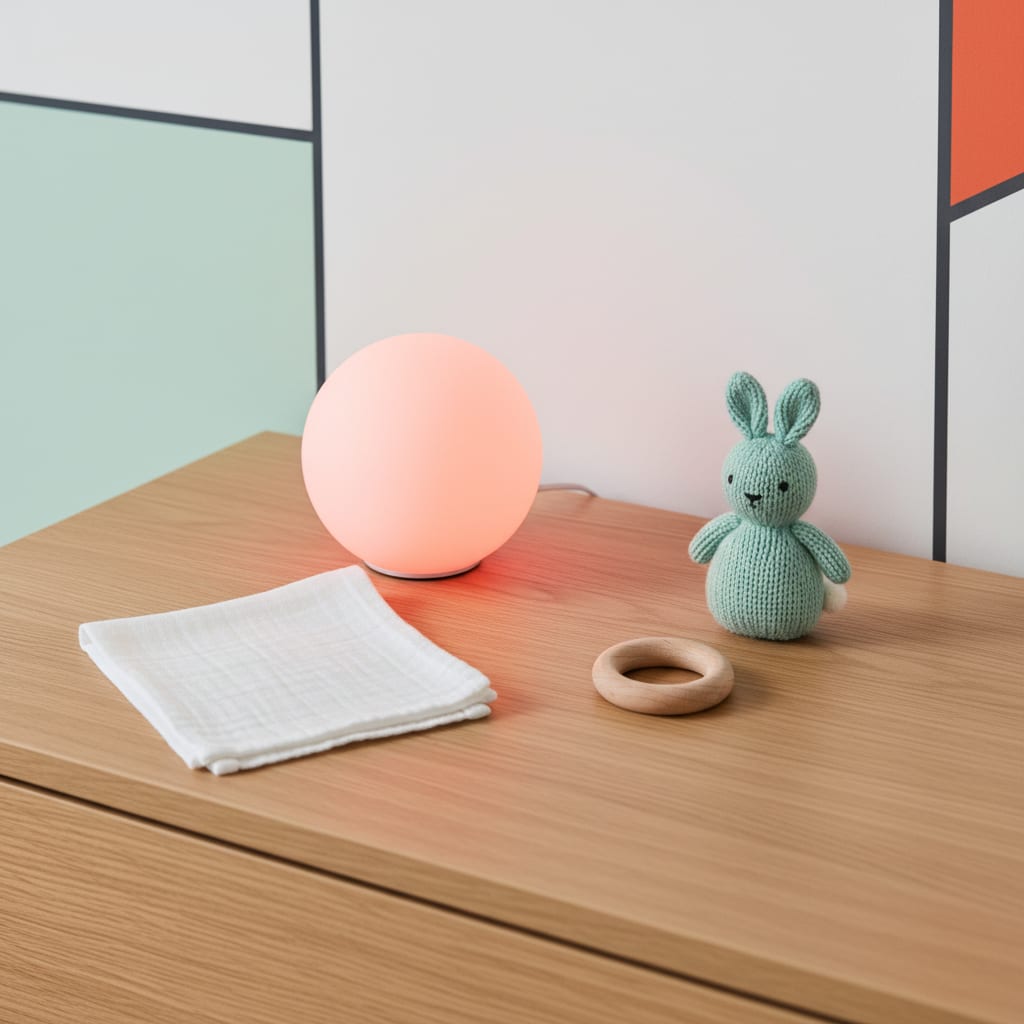
Use a dim red light, not the ceiling light. Betteroo’s medically reviewed guide explains why red and amber bulbs are kinder to sleep than white ones. It recommends a dim red or amber night light for a nursery and for night feeds. A plug-in like this YUNLEX red night light gives you enough light to see what you’re doing without lighting up the whole room.
-
Say almost nothing. Pick one short line (“Clean diaper, then back to sleep”) and use it every time. No chat, no singing, no questions. A toddler who gets a lively conversation at 2am learns that 2am is a good time for one.
-
Protect the skin while you’re there. Don’t leave a dirty diaper on until morning. The AAP’s diaper rash advice says digestive enzymes in stool “can start to wear away at skin.” It recommends changing promptly, cleaning gently, and putting on a thick layer of barrier paste with zinc oxide or petrolatum. It also says to make sure the diaper isn’t too tight, “especially overnight.” A sore bottom wakes a toddler up in its own right. It can also make constipation worse, because pooping hurts.
Then straight back into bed with the same lovey and the same settling you use at bedtime. If they’re wide awake, keep the room dark and dull and give them a few minutes to settle on their own before you go back in.
Work out why it’s happening (tips 5–9)
-
Look at dinner time and size. Nemours KidsHealth’s constipation page says eating is “a natural stimulant for the bowels,” and that regular meals help children build routine bowel habits. If dinner has moved later, got bigger, or the bedtime snack has grown into a meal, try moving the main meal earlier for a week and see whether the poop moves with it.
-
Look at what changed in the diet. Two directions to check:
- Looser stools: KidsHealth’s diarrhea page says drinking too much juice and other sugary drinks can cause diarrhea, which is sometimes called “toddler’s diarrhea.” It also lists food allergies, lactose intolerance and antibiotics as causes. A new juice habit, or a course of antibiotics, is worth noting.
- Harder stools: KidsHealth says kids who eat lots of processed foods, cheeses, white bread and meats may get constipated fairly often. It recommends more water and fiber from fruit, vegetables, beans, oatmeal and whole grains. KidsHealth suggests bringing fiber in slowly, through foods your child already likes.
-
Think about illness first if it came on suddenly. The AAP’s diarrhea page says most diarrhea in children is caused by viruses. It says mild diarrhea “often goes away in a couple of days on its own,” and that most children with mild diarrhea don’t need a different diet. Night poops during a stomach bug are just the bug. Keep up with the changes and the drinks, and check the warning signs below. My sick toddler sleep tips cover the rest of a rough night.
-
Don’t blame teeth. It’s a very common assumption, and the sources are clear that it’s wrong. The AAP’s teething page says “teething does not change the way your baby’s gut works,” and that teething doesn’t cause diarrhea. It advises calling your pediatrician if diarrhea lasts more than a day. The NHS teething symptoms page says there’s no evidence teething causes diarrhea either. Teeth can still wake a toddler, and my teething or sleep regression guide helps you tell, but they won’t cause the dirty diaper.
-
Watch for overflow from constipation. This one surprises people. The AAP’s constipation page explains that when a child holds poop in day after day, it can cause “diarrhea from bowel overflow.” This can look like an infection, but it’s really the body trying to clear a large amount of stool. It also describes small streaks of poop that come out when a backed-up child passes gas. So if you’re seeing hard, painful poops in the day and small loose smears in the night diaper, mention it to your pediatrician. The AAP recommends discussing any constipation treatment with your child’s doctor before you start one.
Keep a short log (tip 10)
- Write down five things for one week: what time they pooped, whether it was soft, loose or hard, when dinner was, what was new in the diet, and whether they were unwell. A week of notes usually shows the pattern, and it’s exactly what a pediatrician will ask about. If they’re out of diapers and waking to use the potty instead, that’s a different problem, covered in my toddler night potty wake-up tips.
When to call the pediatrician
Call if your toddler has diarrhea and any of the signs the AAP lists: signs of dehydration, a fever lasting more than 24 to 48 hours, bloody stools, vomiting lasting more than 12 to 24 hours, green or bloody vomit, a swollen belly, severe belly pain, or refusing to eat or drink. KidsHealth adds peeing less than usual, a dry mouth, crying with few or no tears, being very sleepy, and diarrhea that isn’t improving after several days. For constipation, KidsHealth says to talk to your doctor if it lasts two to three weeks or your child keeps having problems. KidsHealth and the AAP both say not to give over-the-counter diarrhea medicine unless your doctor tells you to.
FAQ: toddler pooping at night
Should I change a poopy diaper if my toddler is asleep?
Yes. Stool left against the skin can wear it down and cause diaper rash, according to the AAP. Do it in dim light, with as little talking as possible, and put them straight back to bed.
Why has my toddler suddenly started pooping at night?
Usually because something changed: a later or bigger dinner, more juice, a new food, a stomach bug or antibiotics. Constipation that overflows around a hard stool can also show up as small night poops. A week of notes usually points to the cause.
Is teething causing my toddler’s night poops?
No. The AAP and the NHS both say teething doesn’t cause diarrhea. If loose stools last more than a day, the AAP says to call your pediatrician.
Will they grow out of it?
Night poops usually stop once the cause is sorted: dinner moved earlier, the juice cut back, the bug passed or the constipation treated. Most toddlers then go back to pooping in the daytime.