The best games to play with toddlers are short, repetitive and built on things they already love: hiding and finding, being chased, taking turns and songs with actions. Peekaboo with a scarf, hide the toy, a slow “I’m gonna get you” chase, roll-the-ball with names and Ring Around the Rosie all work from about 12 months and need nothing you don’t own. Play one game for three minutes, then do it again tomorrow. Toddlers don’t want variety; they want the same game, better. The 20 games below are sorted by type and roughly by age.
These are games, meaning you play them with your toddler and there’s a back-and-forth. For solo setups and busy-play ideas, my list of activities for 2 year olds has 30 more. For running, jumping and climbing, see the gross motor activities list. I’ve kept those ideas out of this one.
Hiding and finding (games 1–5)
-
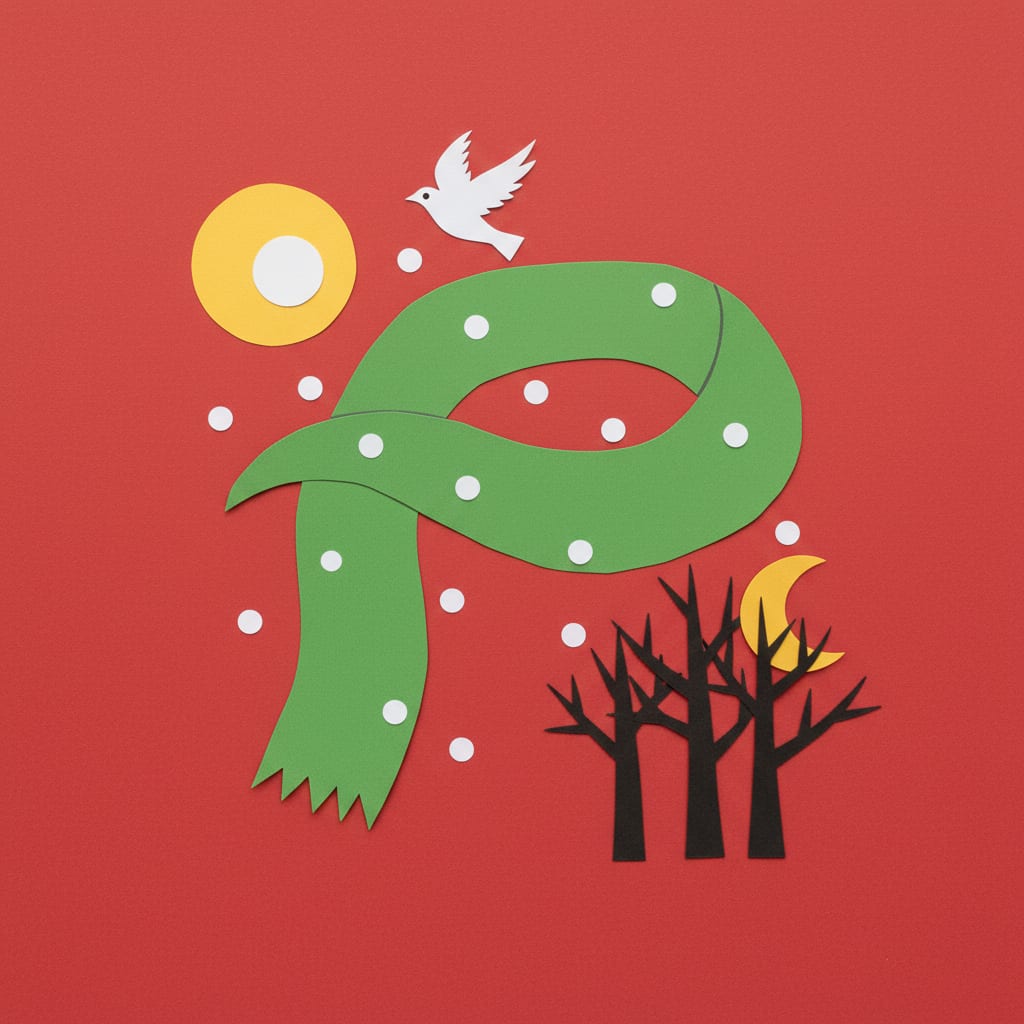
Scarf peekaboo. Drop a thin scarf over a toy while they watch. “Where did it go?” Let them pull it off. Then put the scarf over your own head. One-year-olds will do this twenty times in a row.
-
Hide the toy, hot and cold. Hide a favorite toy somewhere obvious, like half under a cushion, and say “warm, warmer, HOT!” as they get close. Start with it in plain sight and hide it a little better each round.
-
Hide-and-seek where you hide badly. You hide behind the curtain with your feet showing and make a noise. Toddlers love finding you far more than hiding, and most “hide” by covering their own eyes. Count to ten slowly and pretend not to see them.
-
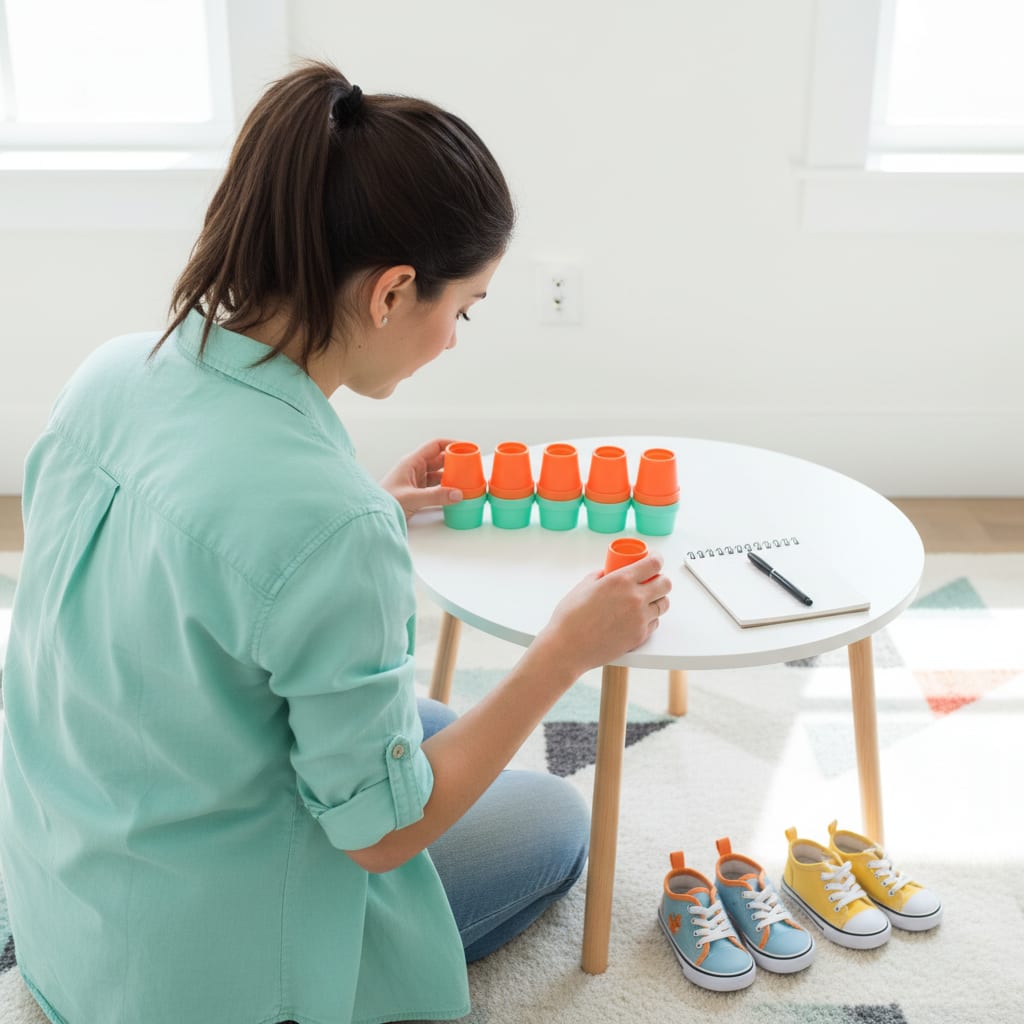
Which cup? Three plastic cups upside down, one toy under one of them. Slide them around slowly and let them guess. Use a toy too big to fit in a mouth; the AAP lists small objects among the leading choking hazards for young children (HealthyChildren).
-
What’s in the bag? A pillowcase with one everyday thing inside: a spoon, a sock, a ball. They reach in, feel it, guess, then pull it out. For younger toddlers, just pulling it out is the whole game.
Chasing and moving (games 6–10)
-
“I’m gonna get you.” Crawl or walk toward them very slowly, saying it in a silly voice, and let them escape. Catch, tickle, release, repeat. Stop the second they stop laughing.
-
Red light, green light. “Green light” means walk, “red light” means stop. Run it in the hallway. Two-year-olds are bad at stopping, which is exactly why it’s good practice and very funny.
-
Follow the leader. You march, they march. You tiptoe, they tiptoe. Then swap and let them lead. A toddler in charge of the grown-up is the best part.
-
Bubble chase. Blow bubbles and let them chase and pop them, then call out a body part: “Pop one with your elbow!” A big bottle of Gazillion bubble solution lasts for weeks. Do this on a floor that won’t get slippery, or outside.
-
Sleeping bunnies. Everyone lies down “asleep” while you sing slowly, then “Wake up, little bunnies!” and everyone hops. Ending lying down makes it a good last game before quiet time.
Taking turns (games 11–15)
-
Roll and name. Sit facing each other, legs apart, and roll a soft ball back and forth. Say the name of whoever has it: “Ball to Mommy! Ball to Leo!” It’s the simplest turn-taking game there is.
-
Hot potato, toddler rules. Pass a beanbag or rolled-up sock while music plays. When it stops, whoever has it does a silly dance. Nobody is out.
-
Easy Simon Says. For 2½ and up: “Simon says touch your nose.” Skip the trick rounds where you leave out “Simon says”; toddlers just get upset. Copying you is the game.
-
Stack and crash. You build a tower of blocks, they knock it down. Then swap. Taking turns at building and crashing is real cooperation, and the crash is the reward.
-
Musical cushions. Cushions on the floor, music on, everyone walks around. When the music stops, everyone sits on a cushion. Unlike musical chairs, nobody loses a seat.
Songs and laps (games 16–20)
-
Ring Around the Rosie. Hold hands, circle, all fall down. They’ll ask for it again before they’ve stood up.
-
Row, row, row your boat. Sit facing each other holding hands and rock back and forth. Add a “scream” at the crocodile for older twos.
-
Knee horsey ride. Toddler on your knees, bounce gently to “This is the way the farmer rides,” then a little drop between your knees at the end. Hold them under the arms.
-
Where’s your nose? Name a body part, they point. Then point to your own wrong one: “Is this my nose?” (touching your ear). Toddlers love correcting you.
-
Sheet parachute. Two grown-ups hold the corners of a flat sheet and wave it up and down while the toddler runs underneath. Or put a soft ball on top and bounce it.
Three rules for any toddler game
- Short and finished. Stop while they’re still having fun. “Last time!” then do it once more and end it.
- The same games, over and over. Repetition isn’t boring at this age. It’s how they learn the rules.
- Skip balloons. The AAP’s choking page says balloons pose a choking risk to children up to 8 years of age. Bubbles and soft balls do the same job.
If the weather has everyone stuck inside for days, pair a couple of these with my rainy day activities so the games don’t run out by lunch.
FAQ: games to play with toddlers
What games can I play with a 1 year old?
Scarf peekaboo, what’s in the bag, roll the ball, knee horsey rides and Ring Around the Rosie all work from around 12 months. Keep them very short and repeat them.
What games are good for 2 year olds?
Hide the toy, red light green light, follow the leader, bubble chase, musical cushions and stack and crash. Two-year-olds can follow one simple rule and love games where they get to be the leader.
How long should I play a game with my toddler?
A few minutes at a time is normal. Toddlers often want the same game many times in short bursts, rather than one long session.
Are competitive games OK for toddlers?
Mostly no. Skip games where someone is “out.” Use versions where everyone wins, like musical cushions instead of musical chairs.