How to Potty Train a Girl: 10 Tips That Keep It Calm
Potty training a girl runs on the same basics as any child: wait for readiness, keep it low-pressure, and treat accidents as information. What’s different is mostly posture and hygiene. Get her feet flat on a stool, teach her to sit with her knees apart, and teach wiping from front to back from day one. Plan for the girl-specific surprise: damp underwear a few minutes after a wee she did on the potty. Ten tips below, in the order you’ll use them. The general first week is in our potty-training tips, so this post skips it and sticks to what’s different for girls.
Set up the seat before day one (tips 1–3)
-
Pick one potty and stay with it. You have two options. A floor potty is low, less scary and easy to move. A seat reducer on the adult toilet means nothing to empty and no switch later. Choose one before you start and use only that one, so she always knows where pee goes. The BabyBjörn Smart Potty is a straightforward floor option if you go that way.
-
Put her feet on something solid. Nemours KidsHealth’s toilet-teaching guide says that if you use a toddler seat on the big toilet, you should “get a stepping stool so your child can reach the seat comfortably and feel supported while having a bowel movement.” For girls the stool also helps with tip 4. A purpose-made stool like the BabyBjörn Step Stool beats a wobbly pile of books, and she can use it at the sink afterwards.
-
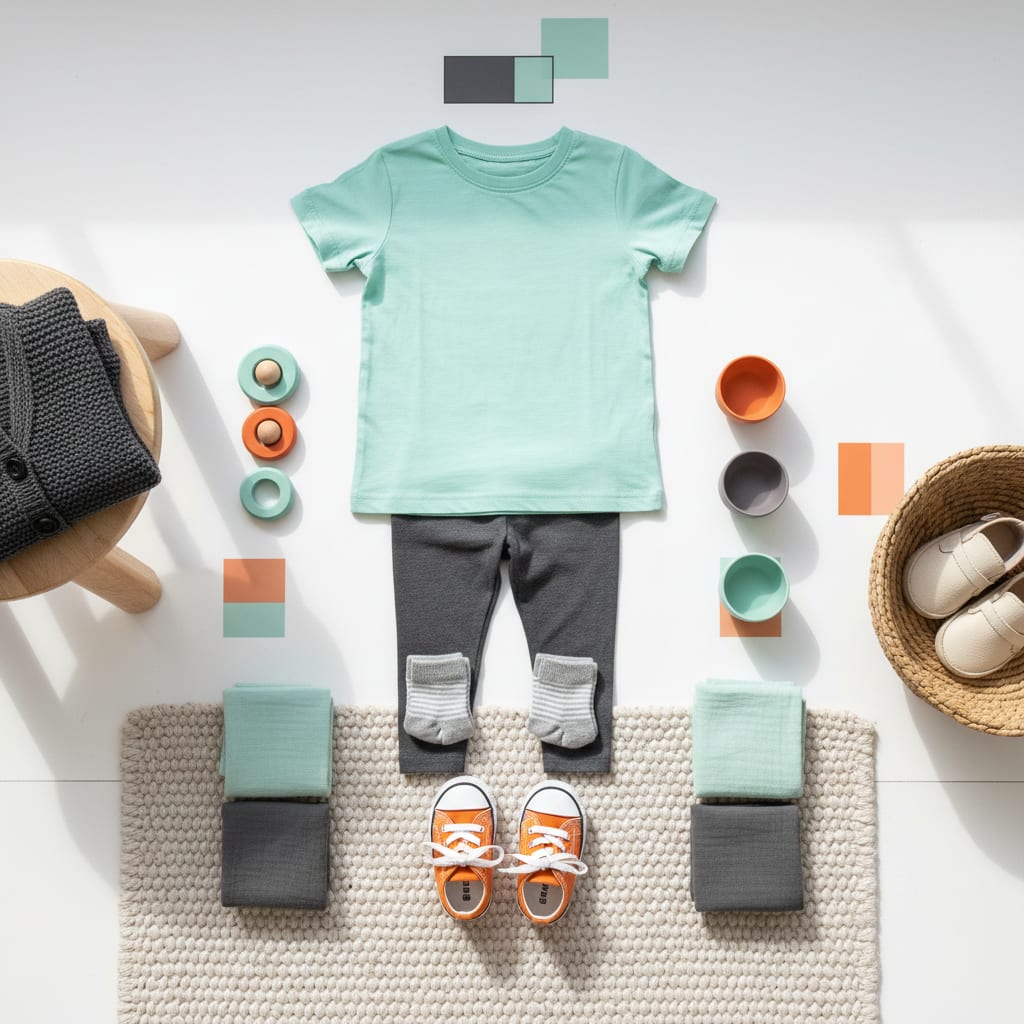
Dress her for speed. KidsHealth suggests avoiding clothes that are hard to take off, like overalls and tops that snap at the crotch. For many girls that means taking a break from bodysuits, tights and dungarees for a few weeks. Loose leggings, shorts or a skirt she can handle on her own will save a lot of near-misses.
The girl-specific skills (tips 4–7)
-
Teach “knees apart” as part of sitting. Lots of little girls sit with their knees pressed together. NHS pediatric guidance from Cambridge University Hospitals explains that this “can cause ineffective bladder emptying.” It advises girls to sit upright “with their legs wide apart,” and says a child who can’t sit with her feet flat on the floor “will require a footstool.” So the stool from tip 2 matters here too. One NHS children’s hospital teaches it as a rhyme, “knees aren’t friends,” and a short phrase like that is much easier for a two-year-old to remember than an explanation.
-
Wipe front to back from the very first time. KidsHealth’s page on urinary tract infections is clear: “Girls should know how to wipe from front to rear — not rear to front — to prevent germs from spreading from the anus to the urethra.” It also explains why girls get more UTIs, because a girl’s urethra “is shorter and closer to the anus.” Do the wiping yourself for a while and say the direction out loud every time (“front to back”). Let her try it on her own once the words are automatic. A toddler can’t wipe well yet, and that’s fine.
-
Know the damp-pants pattern before it happens. She pees on the potty, gets up, and ten minutes later her underwear is wet. That isn’t defiance and it isn’t a failed training day. Alder Hey Children’s Hospital’s leaflet on vaginal reflux explains that urine can be trapped in the vagina after a wee and leak out later “when she stands up or jumps.” It calls this “a common cause of wetting in girls.” The same NHS leaflets suggest sitting with knees apart, rocking gently backwards and forwards when she’s done, and trying again for a second wee. If it keeps happening, mention it to your pediatrician. It’s a medical diagnosis, not something to guess at home.
-
Expect “she went but didn’t tell you.” Many girls take to sitting quickly and quietly. You find a flushed toilet, or no wet diaper, and nobody mentioned it. Count that as a win, and praise the habit rather than the announcement. Try “you went all by yourself!” instead of “why didn’t you tell me?” If you ask her to report every trip, the potty becomes a performance, and some kids react to that by holding it.
Keep the habits healthy (tips 8–10)
-
Don’t let her hold it. KidsHealth says all kids should be taught not to “hold it,” because pee that stays in the bladder “gives bacteria a good place to grow.” Plan potty trips around natural transitions: after waking, before leaving the house, after meals. Don’t wait for her to ask, especially when she’s deep in play.
-
Keep bath products gentle. The same KidsHealth UTI page advises school-age girls to avoid bubble baths and strong soaps that might cause irritation, and to wear cotton underwear. Your toddler isn’t school age yet, but these are easy habits to start now. Plain water and a mild wash are enough. Cotton underwear is also the easiest kind to wash after a dozen accidents.
-
Know the signs that mean a doctor, not a new tactic. KidsHealth lists “pain or burning when peeing, blood in pee, back pain, or fever and chills” as possible signs of a UTI. A child who suddenly says it stings, goes far more often than usual, or starts having accidents after being dry should see her pediatrician before you change anything about training. A UTI can look a lot like regression, and no sticker chart will fix it.
Is she actually ready?
KidsHealth says most children start to show readiness signs between 18 and 24 months, and that “boys often start later and take longer to learn to use the potty than girls.” That’s a trend across lots of children, not a deadline for yours. A girl who isn’t interested at two and a half is completely normal. The readiness checklist is worth going through before day one. If there’s a brother in the house as well, the boys’ version covers the sit-first sequence he’ll need.
For another walkthrough from a different angle, Betteroo’s step-by-step for daughters covers the equipment list and when to call the pediatrician.

FAQ: potty training a girl
Are girls easier to potty train than boys?
On average, girls tend to start a little earlier and finish a little sooner. KidsHealth says boys often start later and take longer. That’s an average across lots of children and says nothing about your child. Readiness signs matter far more than gender.
How do I teach my daughter to wipe properly?
Front to back, every time, with you doing it at first and saying the direction out loud. KidsHealth says girls should wipe “from front to rear — not rear to front” to stop germs reaching the urethra. Let her take over gradually once the habit is automatic.
Why is my daughter’s underwear wet right after she uses the potty?
One common cause is urine trapped in the vagina that leaks out after she stands up. NHS leaflets describe this as vaginal reflux. Sitting with her knees wide apart and rocking gently before she gets up often helps. If it keeps happening, mention it to her pediatrician.
Should my daughter use a floor potty or the big toilet?
Either works. A floor potty is easier on short legs. A seat reducer on the toilet skips a transition later, but she’ll need a step stool so her feet are supported. Pick one and stay with it.
When should I worry about a UTI during potty training?
If she has pain or burning when peeing, blood in her pee, a fever, back pain, or a sudden run of accidents after being dry, call her pediatrician. KidsHealth lists these as possible UTI signs, and they need a doctor rather than a new training plan.