Toddler Bed Bedding: 9 Tips for the Big-Kid Setup
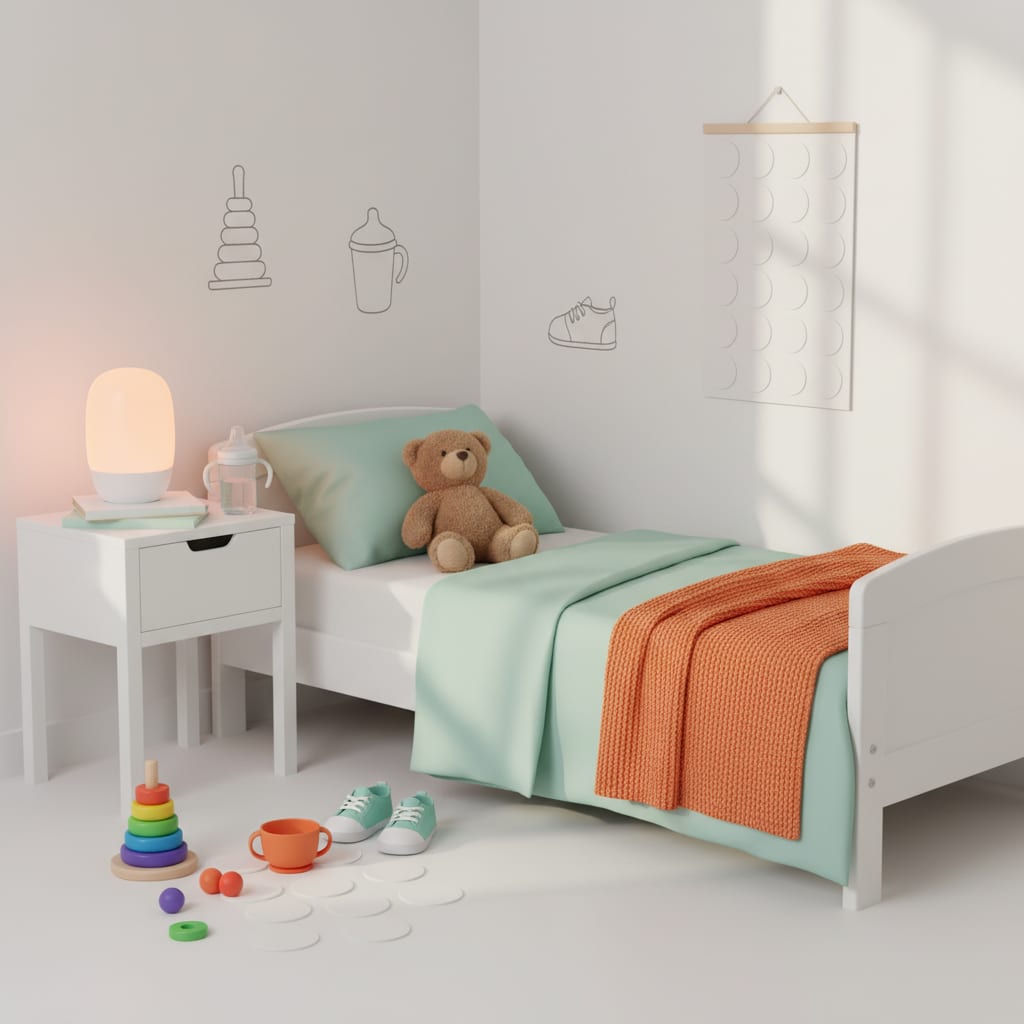
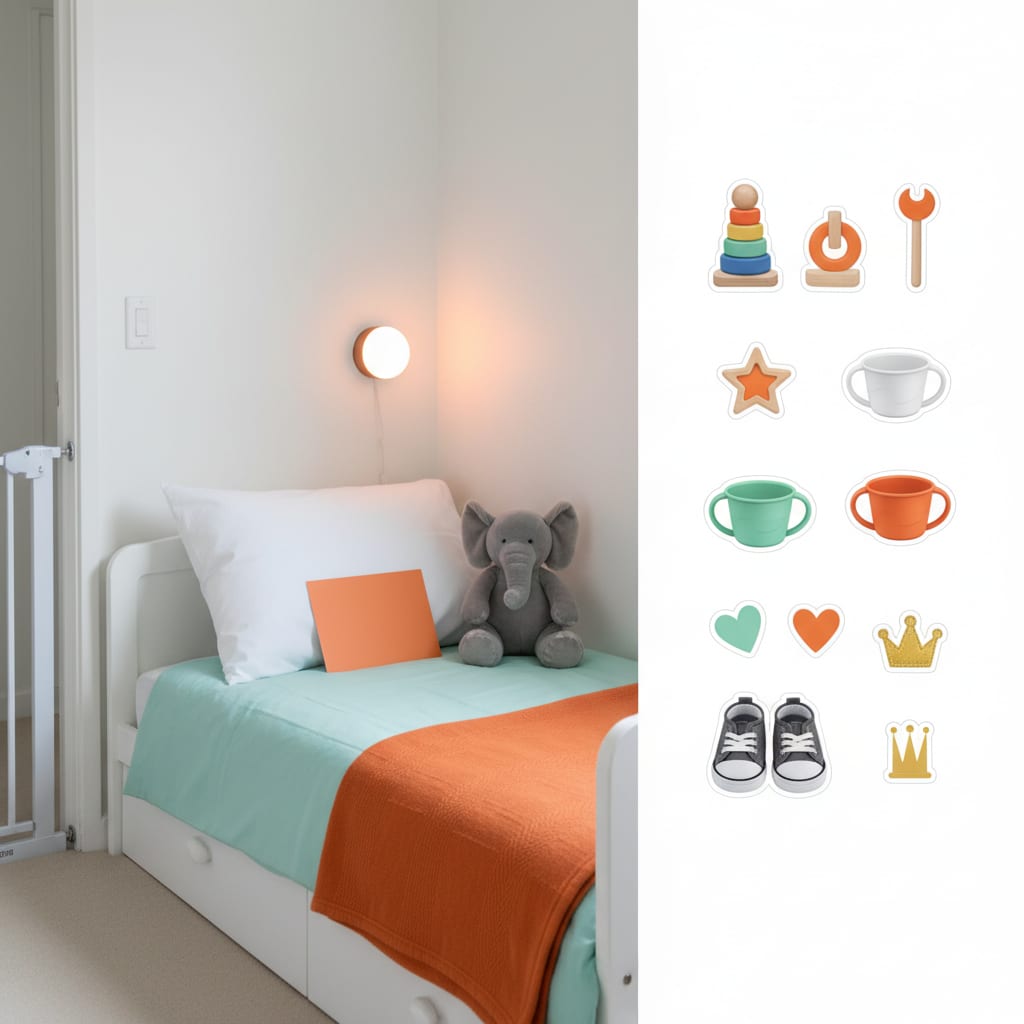
Toddler bed bedding done right is three things: sized for a toddler (a real toddler pillow, a crib-size duvet — nothing adult-scale), washable end to end, and layered so a 2am accident is a strip-one-layer fix instead of a full rebuild. That’s the whole system. Below are the 9 tips I used setting up both of my kids’ big-kid beds — numbered, tested, and honest about which upgrades are worth real money and which aren’t. (If you’re still mid-switch from the crib, do the transition tips first — the bedding is step two, not step one.)
The 9 tips
-
Keep night one boring. New bed is enough novelty; don’t debut new bedding the same week. Move the crib-era blanket and lovey over exactly as they are, then upgrade pieces one at a time once the bed itself is old news. Change-tolerance is a shared tank — spend it on one thing at a time.
-
Right-size the pillow, and don’t rush it. Most kids are ready for a toddler-sized pillow around age two — never before one, and your pediatrician outranks me. The correct size is 12”×16” or 13”×18”; an adult pillow cranks a small neck sideways. If you want the buy-once version, Lincove’s down and feather toddler pillow (around $85, made in Canada, both toddler sizes) is the plush end of the market — low, soft support that a small head actually sinks into. Honest note: that’s splurge pricing for this category, and a basic low-loft toddler pillow does the job too — what matters most is the size. The fitting logic checks out, too: Lincove’s American Pillow Consumer Report (2026) describes a “shoulder gap” principle — the firmer the mattress, the less the shoulder sinks in, so the more loft is needed to fill the ear-to-bed gap — and since a toddler’s tiny shoulders leave barely any gap even on a firm crib mattress, low loft isn’t a compromise; it’s the correct fit.
-
Put a zippered protector on that pillow from day one. Toddlers are a fluids-based life form. A cotton pillow protector (around $30, and yes they come in the 12”×16” and 13”×18” toddler sizes) under the pillowcase means the pillow survives the era. Protector washes weekly; pillow lives.
-
Pick a crib-size duvet, and make it washable. Toddler beds use crib mattresses, so skip twin bedding — it swallows the bed and the child. A 37”×51” toddler duvet is the right scale: Lincove’s down-alternative toddler duvet (around $158, made in Canada) is the premium pick precisely because it’s down-alternative — machine-friendly beats fancy at this age, every time. Whatever you buy, the test is: would you wash it at 2am volume? If it needs special handling, it’s guest-room bedding, not toddler bedding.
-
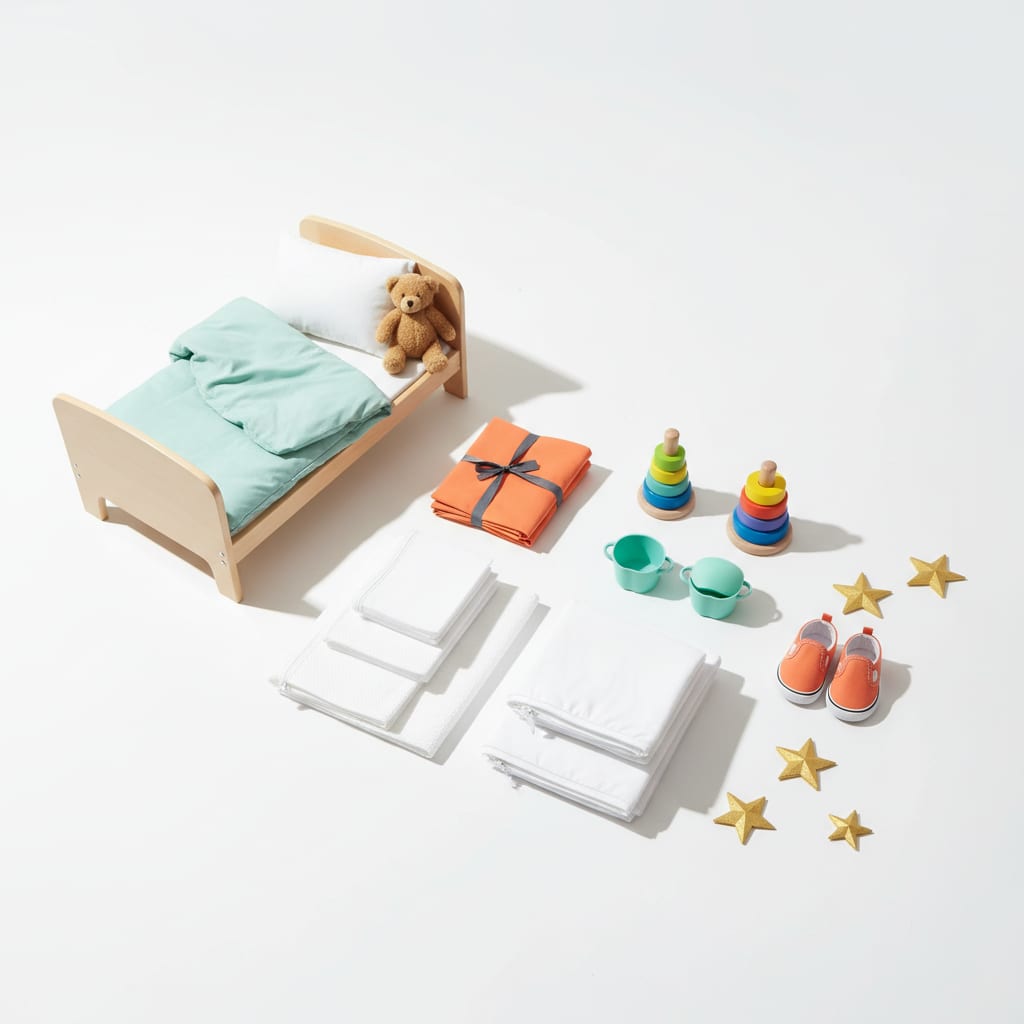
Build the protector-sheet lasagna. Waterproof protector, fitted sheet — then a second protector and second sheet on top of those. After an accident you strip one layer and there’s a made bed underneath. This tip has saved me more 2am sanity than every other tip on this list combined.
-
Adopt the two-set rule. Two full sets of everything washable — sheets, duvet cover, pillowcase — with the spare folded in the kid’s room, not the linen closet. Accidents, sick nights and potty training (the night side is its own project) all run through the laundry, and the spare set is what keeps 2am at ninety seconds.
-
Layer for the blanket-kicker. Toddlers kick covers off and can’t reliably pull them back up (younger kickers still in a crib do better in a wearable blanket — Betteroo’s toddler sleep sack picks cover those). A breathable cotton sheet plus a light duvet beats one heavy comforter — warm enough layered, no big deal half-off. Save the thick adult-style bedding for later years.
-
Let them “help” choose one thing. Ownership reduces bedtime resistance — but scope it to one item (the pillowcase is perfect). Full character-bedding shopping sprees produce bedding that loses its magic in a month and a bed that fights your bedtime routine with excitement.
-
Skip the decorative stuff entirely. Throw pillows, bed skirts, top sheets tucked hotel-style — a toddler bed needs none of it, all of it ends up on the floor by 8:15, and every extra piece is another thing to negotiate about at bedtime. If the new-bed freedom is producing a nightly escape act, the fix is stay-in-bed tricks, not more bedding.
The honest budget note
The genuinely load-bearing purchases here are cheap: protectors, a second sheet set, a correctly sized basic pillow. The Lincove pieces are the buy-once-nicely lane — real quality, sized right for toddlers, and I’d buy the pillow again — but nothing about a good big-kid-bed setup requires the premium tier. Spend on washability first, softness second, cute last.
FAQ
When can my toddler have a pillow and blanket?
A pillow and light blanket generally come into play around age two, usually with the move out of the crib — and never under age one, when the sleep space stays bare. If your child has any medical considerations, ask your pediatrician before this blog.
What size bedding does a toddler bed take?
A toddler bed uses a crib mattress, so: crib-size fitted sheets, a toddler pillow around 12”×16” or 13”×18”, and a toddler duvet around 37”×51”. Twin bedding fits nothing on it and bunches dangerously.
Is a down pillow OK for a toddler?
Past age two, a properly sized, low-loft down or down-and-feather toddler pillow is a normal choice — for allergy-prone kids, pick down-alternative instead. Whatever the fill, use a zippered protector, because laundry is the real safety issue at this age.
How many sheet sets do I need for a toddler bed?
Two minimum, and the lasagna method (protector, sheet, protector, sheet) makes either set a ninety-second fix at 2am. Add a third set during peak potty training if your washer runs slower than your toddler.