
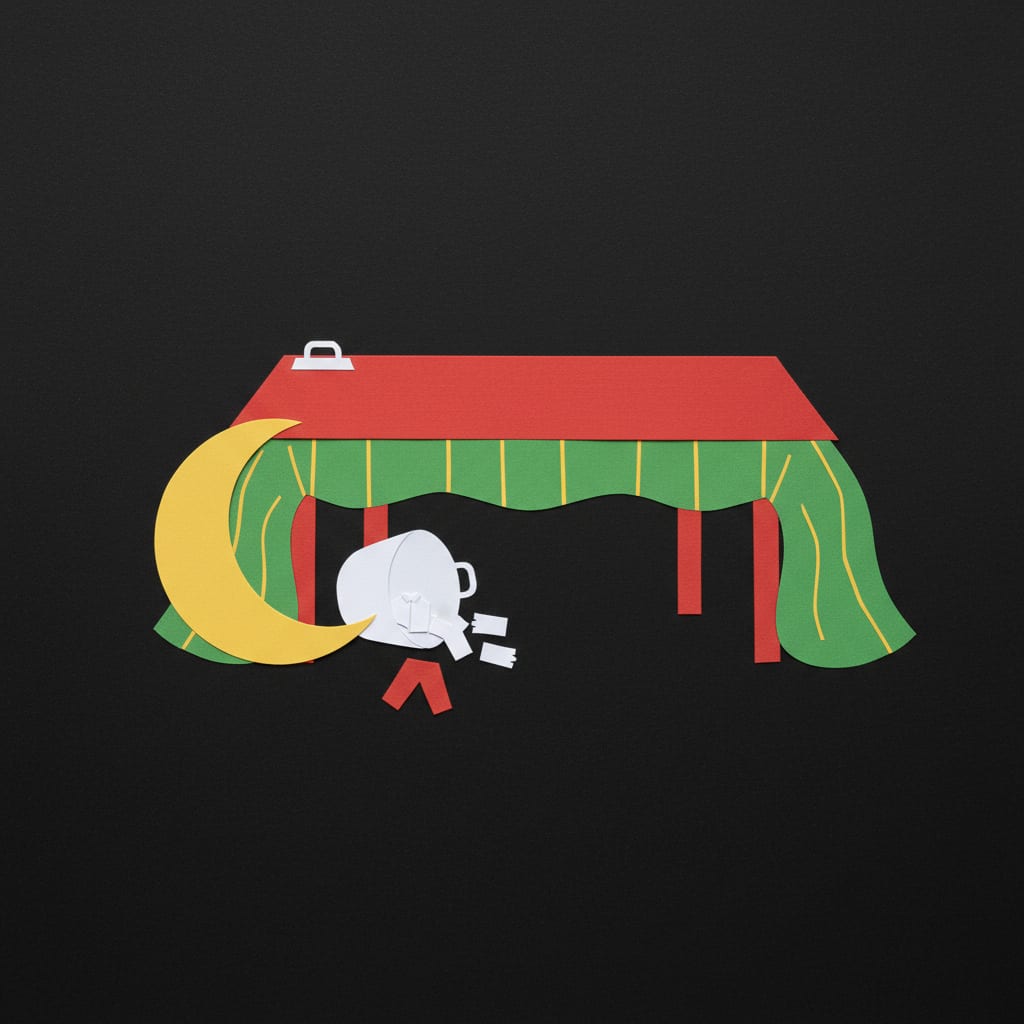
If your toddler runs and hides the moment you announce bedtime, stop running after them. For most toddlers the chase is the prize: you say the word, they bolt, you follow, and the best game of the day starts on your cue. Take away the starting signal, give the running a planned slot before the routine, and walk slowly with a flat face when they bolt anyway. Expect it to get louder for a few nights before it fades. The 11 tips below go in that order, and all of them can start tonight.
Why the word “bedtime” starts a race
There are two versions of this, and they look different.
- The game. Giggling, looking back to check you’re coming, hiding in the same spot every night with their feet sticking out. This child wants you, not an escape. Being chased is full attention, and it arrives right before the part of the day where you leave.
- The dodge. No giggling. They run earlier and earlier, hide properly, and cry when found. This child is avoiding something: a bath they’ve gone off, a dark room, or a bedtime that comes before they’re tired.
Most of the tips work for both. Tips 10 and 11 matter most for the dodge.
Change the announcement (tips 1–3)
-
Retire the word. “Bedtime!” called across the room works like a starting pistol. Stop announcing the end of the day and start the first step: “Bath is running. Do you want the boat or the cups?” The routine still happens in the same order. It just doesn’t open with the word they’ve learned to run from.
-
Let something else give the warning. A warning from you is something to argue with. A timer isn’t. Set a visual one, like the Time Timer, where a colored wedge shrinks as the minutes go: “When the color is gone, we walk upstairs.” Five minutes is plenty.
-
Be within arm’s reach when you say it. An instruction called from the kitchen gives them a ten-foot head start. Walk over, crouch, put a hand on their back, then speak. It’s the same first move I use in my tips for getting a toddler to listen, and it turns “catch me” into “we’re already going.”
Give the chase its own slot (tips 4–6)
-
Play chase before they start it. Ten minutes after dinner, you announce the game: “Chase time! I’m coming to get you!” Run, hide, get caught, swap. A toddler who has already been chased, on your invitation, has much less reason to set it up at 7pm. Give it a clear last round: “One more catch, then stairs.”
-
Finish the game where the routine starts. Make the last catch end with a carry to the bathroom. “Got you! Delivery for the bathtub!” The game doesn’t get cut off by bedtime. It ends at the first step of it.
-
Make the trip the fun part. Getting from the living room to the bath is where runners peel off, so give that stretch a job. Betteroo’s scripts for steering a toddler toward something they’re allowed to do include one made for this moment: “Can you tiptoe to the bath so quietly the fish don’t hear you?” Bear crawl, piggyback, hop like a frog. Rotate three and let them pick.
When they bolt anyway (tips 7–9)
-
Walk. Never run. The second you speed up, it’s a game again. Follow at a stroll with a neutral face and say one line: “I’m not playing chase now. It’s bath time.” No laughing, no counting to three, no “I’m going to get you” voice. Then pick them up or take their hand and go.
-
Don’t seek a hider. Hiding needs a seeker. If you narrate the search (“Where could she be? Not under the table…”), you’ve joined in. Go straight to the spot, say “There you are, bath time,” and move on. If they hide somewhere new, look quietly. Skip the big reveal.
-
Shrink the track. A runner needs room. Before the routine starts, close the doors to the rooms you’re not using and shut the stair gate. Better still, spend the last half hour before the routine upstairs, or wherever bath and bed are, so there’s no trip to turn into a race. Stairs are the reason to take this seriously: a chase that ends on the stairs is not a game. Check the favorite hiding spots once in daylight, too. Nothing they can shut themselves into, nothing that tips.
Take away the reasons to run (tips 10–11)
-
Check the timing. A toddler with the fuel to sprint laps for twenty minutes every night may be telling you something. A nap that ends late in the afternoon can leave them wide awake at 7pm. A toddler who is past tired can also look wild instead of sleepy. In both cases the fix is the schedule. Tips 1 and 2 in my bedtime battle tips cover the last nap and the bedtime itself.
-
Give them a job and two choices at the start. The run is partly about control, so hand some over before they take it. “You turn off the big light. Up the stairs like a bear or like a bunny?” Then keep everything after that short and the same every night. Nemours KidsHealth calls a simple, consistent bedtime routine “a parent’s best bet for getting a sleepy toddler snugly into bed,” and adds: “Stay with it and don’t let it get too long.”
 Still doing laps at 7pm?
A toddler with that much energy at bedtime may be on the wrong schedule for their age. Betteroo builds a nap and bedtime plan around your child.
Take the 2-minute sleep quiz →
Three things that keep the chase alive
- Laughing one night and snapping the next. If it’s funny on Friday and a crime on Monday, they’ll keep testing to find out which night it is. Pick the flat face and keep it.
- Taking away books as the penalty. Books are part of the routine that gets them to sleep. Cutting them makes the rest of the night harder for you.
- A long speech once you’ve caught them. One sentence, then the next step. A lecture is still attention.
Once they’re actually in bed
This post ends at the bedroom door on purpose. If the trouble moves to after lights-out, there are two different fixes. For the child who gets out of bed again and again, use the silent return in my tricks for a toddler who won’t stay in bed. For the one who stays put but asks for water, one more hug and one more song, go to the bedtime stalling counter-moves.
FAQ: the toddler who runs and hides at bedtime
Why does my toddler run away when I say it’s bedtime?
Usually because running gets a reaction. You follow, you call their name, and they have all of your attention just before the part of the day when you say goodnight. Less often they’re avoiding a step they dislike, or they aren’t tired yet.
Should I chase my toddler at bedtime?
Not when they start it. Play chase earlier in the evening, when you call it, and give it a clear last round. When they bolt at bedtime, walk after them with a calm face and take them to the first step of the routine.
Does running at bedtime mean my toddler isn’t tired?
Not always. Some toddlers get more active when they’re overdue for sleep. Look at the whole week: when the nap ended, how long they took to fall asleep, and when they woke. If they regularly take a long time to drop off, the schedule is worth a look.